
If you’re getting ready for the WAEC 2025 Biology Practical exam, this guide will help you understand the specimens you will work with. The West African Examinations Council (WAEC) has released the official specimen list, and it’s important to know what each one is, how to identify it, and how it relates to the topics you’ve studied in Biology.
Below is the complete list of specimens for the 2025 WAEC Biology Practical:
- Specimen A: Bean weevil
- Specimen B: Bean seeds (with holes)
- Specimen C: Waterleaf plant (whole)
- Specimen D: Quill feather of a domestic fowl
- Specimen E: Pineapple fruit (longitudinal section)
- Specimen F: Orange fruit (transverse section)
- Specimen G: Raw egg of a domestic fowl (freshly procured with shell intact)
- Specimen H: Test tube containing 3 ml of water (placed on a test tube rack)
- Specimen J: Longitudinal section of boiled egg (with shell)
In this article, we’ll explain each specimen one after the other, using simple words that are easy to understand. Let’s begin with Specimen A.
Specimen A: Bean Weevil
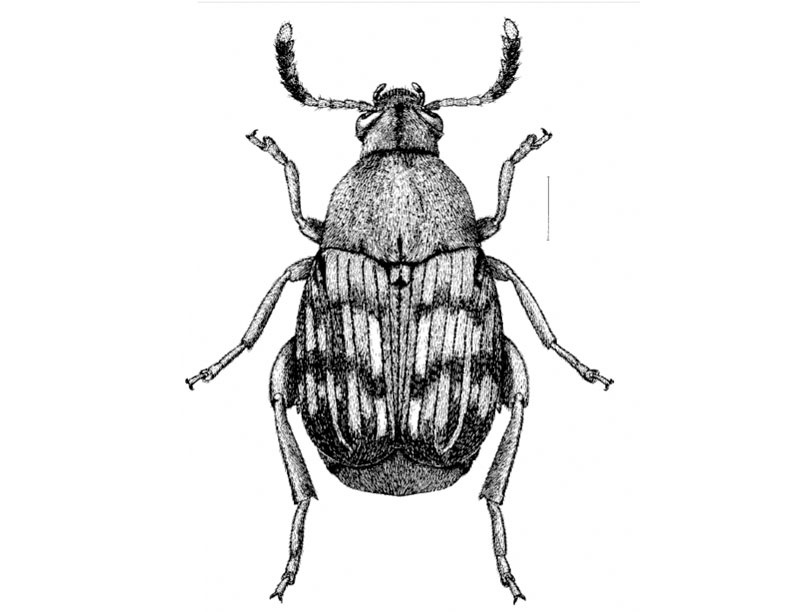
The bean weevil is a small insect that damages stored beans. It is usually brown or black and has a short, oval-shaped body. You can often find it in kitchens or stores where dry beans are kept. Even though it is called a “weevil,” it is not a true weevil because it has no long snout.
Key Features to Observe:
- Small size (about the size of a grain of rice)
- Hard outer body (called an exoskeleton)
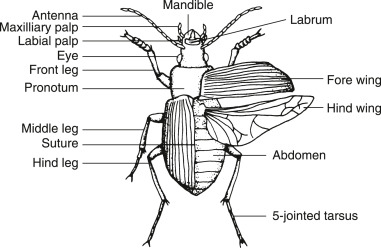
- Six legs and two short antennae
- It may look like a beetle
Importance in Biology Practical:
The bean weevil is often used to teach students about pests that affect crops and food storage. You should be able to:
- Describe its body parts
- Say what it feeds on (dry bean seeds)
- Talk about how it damages crops
- Suggest ways to control or prevent it (e.g., drying beans properly or using airtight containers)
Likely Exam Questions:
- Identify the specimen and give its habitat
- Describe two ways it causes damage to stored beans
- Suggest two methods of controlling this pest
Specimen B: Bean Seeds (with Holes)
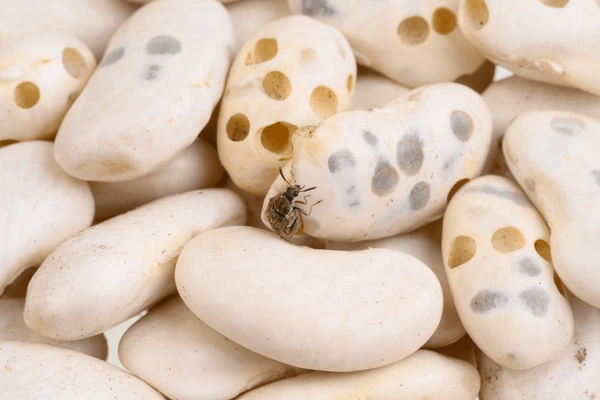
These are normal bean seeds that have been damaged by pests, especially by insects like the bean weevil (Specimen A). If you look closely, you will see small holes on the surface of the seeds. These holes are made when the young weevils come out after feeding on the inside of the beans.
Key Features to Observe:
- Dry seeds with one or more round holes
- Some may look lighter in weight or feel hollow
- The inside of the bean may be eaten up
Importance in Biology Practical:
This specimen shows the effect of pests on crops. While Specimen A is the pest, Specimen B is the result of the pest’s action. You need to understand:
- What caused the holes (insect feeding)
- The effect on food storage and quality
- The connection between the pest (A) and the damaged product (B)
Likely Exam Questions:
- State what caused the damage seen in the specimen
- Explain the relationship between Specimens A and B
- Suggest two ways to prevent this kind of damage during storage
Specimen C: Waterleaf Plant (Whole)
The waterleaf plant is a soft, green vegetable that grows in many places in West Africa. It is known for its juicy leaves and is often used in cooking. In Biology, it helps you learn about the structure of flowering plants.
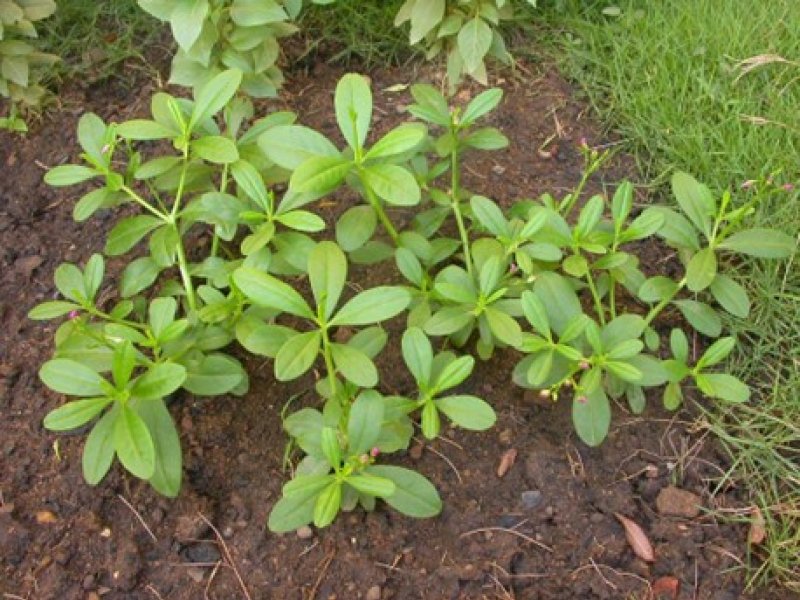
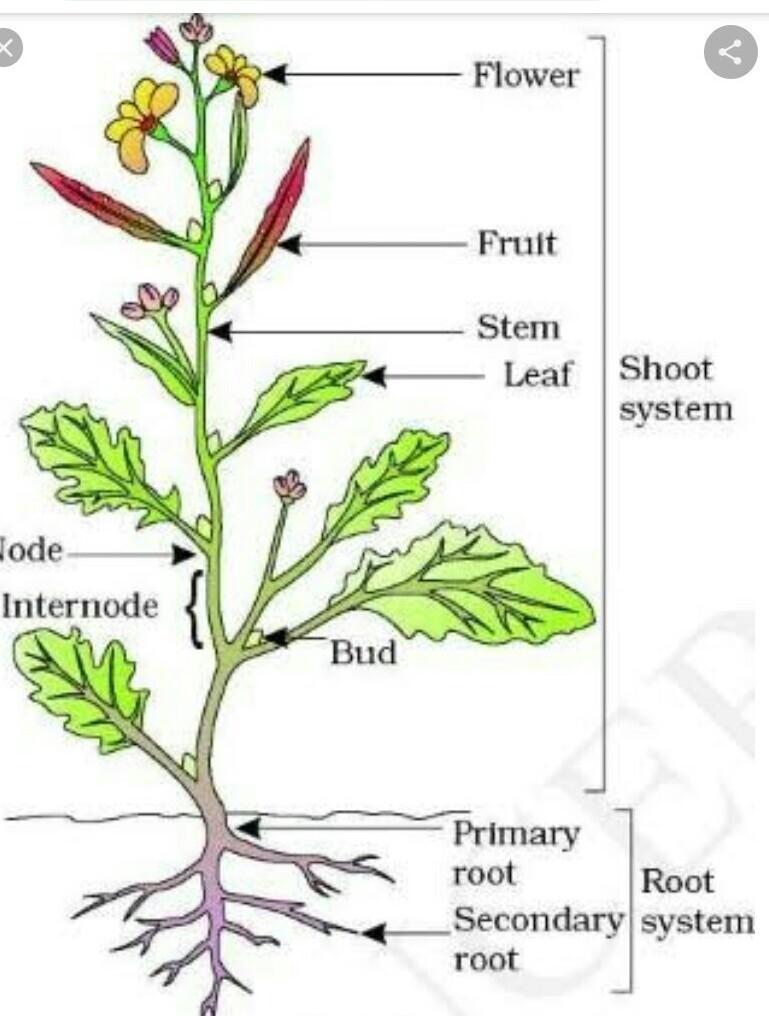
Key Features to Observe:
- Green, soft leaves that feel watery
- Thin stems that are easy to bend
- Roots may be present if it is uprooted whole
- It has flowers, though small and not always seen during exams
Importance in Biology Practical:
The waterleaf is used to teach about plant parts and functions. You should be able to:
- Identify and label parts like root, stem, leaf, and maybe flower
- Explain how the plant carries water and food
- Talk about photosynthesis and how the plant grows
Likely Exam Questions:
- Identify the specimen and name its parts
- State two functions of the leaf or stem
- Mention two ways humans use this plant (e.g., food, medicine)
Specimen D: Quill Feather of a Domestic Fowl
This is one of the large feathers taken from a bird like a chicken. It is called a quill feather because it has a strong, thick base known as the quill or shaft. Birds use these feathers to fly, stay warm, and protect their bodies.
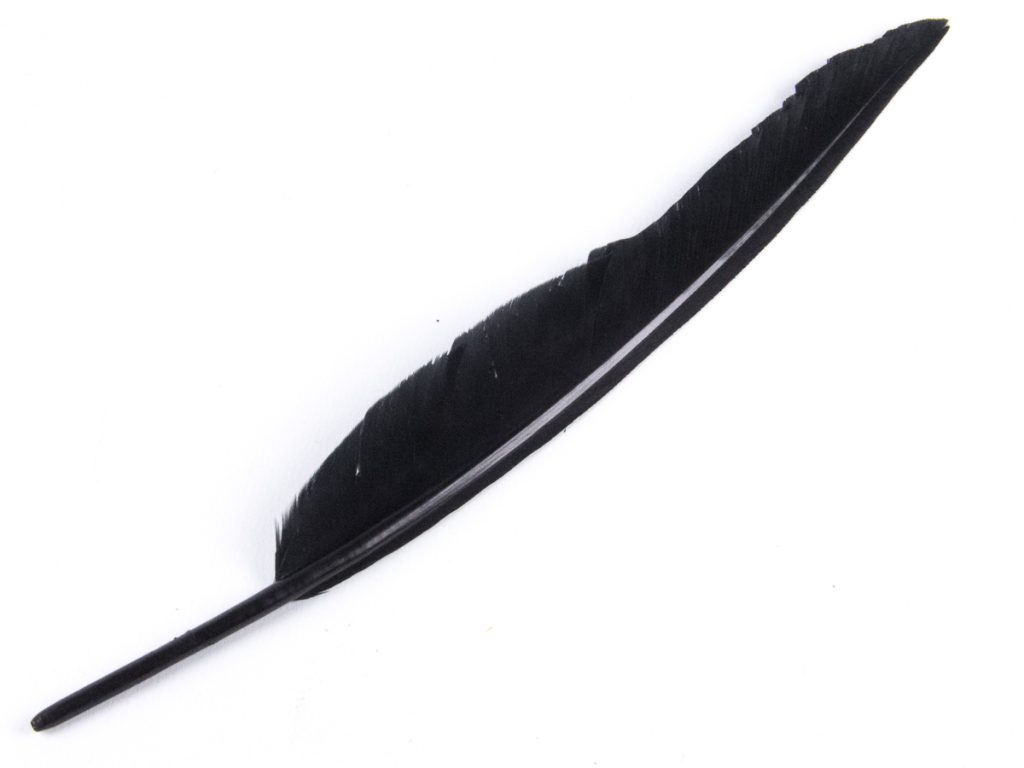

Key Features to Observe:
- A hard central shaft (called rachis)
- Fine, soft branches on both sides (called vanes)
- The bottom part is hollow and stiff (called calamus or quill)
- The feather is usually light but strong
Importance in Biology Practical:
This feather helps you understand the adaptations of birds and how their bodies are built for movement and flight. Even though chickens don’t fly far, their feathers still serve important purposes like:
- Insulation (keeping them warm)
- Protection of the skin
- Display (for attracting mates or showing mood)
Likely Exam Questions:
- Identify and label parts of the feather
- State two functions of feathers in birds
- Mention one reason why feathers are lightweight
Specimen E: Pineapple Fruit (Longitudinal Section)
This specimen is a pineapple fruit that has been cut straight from top to bottom to show the inside clearly. This type of cut is called a longitudinal section. It helps you see the different parts of the fruit from the crown (top) down to the base.
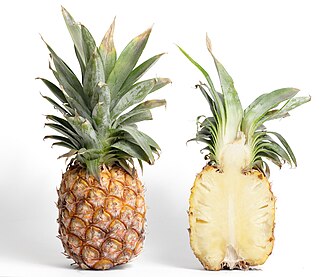
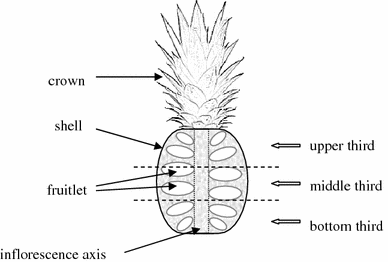
Key Features to Observe:
- Crown with short green leaves at the top
- Rough outer skin with eyes or small circles
- Juicy yellow flesh in the middle
- Fibrous core running through the center
- Sometimes, the base may show where the fruit connects to the stem
Importance in Biology Practical:
The pineapple is used to teach about fruits and their parts. You should know:
- It is a multiple fruit, meaning it forms from many flowers joined together
- The edible part is the fleshy part of the fruit
- It is used to explain fruit structure and how seeds may be formed
Likely Exam Questions:
- Identify the specimen and name its parts
- Say whether it is a simple, aggregate, or multiple fruit
- Mention two uses of pineapple to humans
Specimen F: Orange Fruit (Transverse Section)
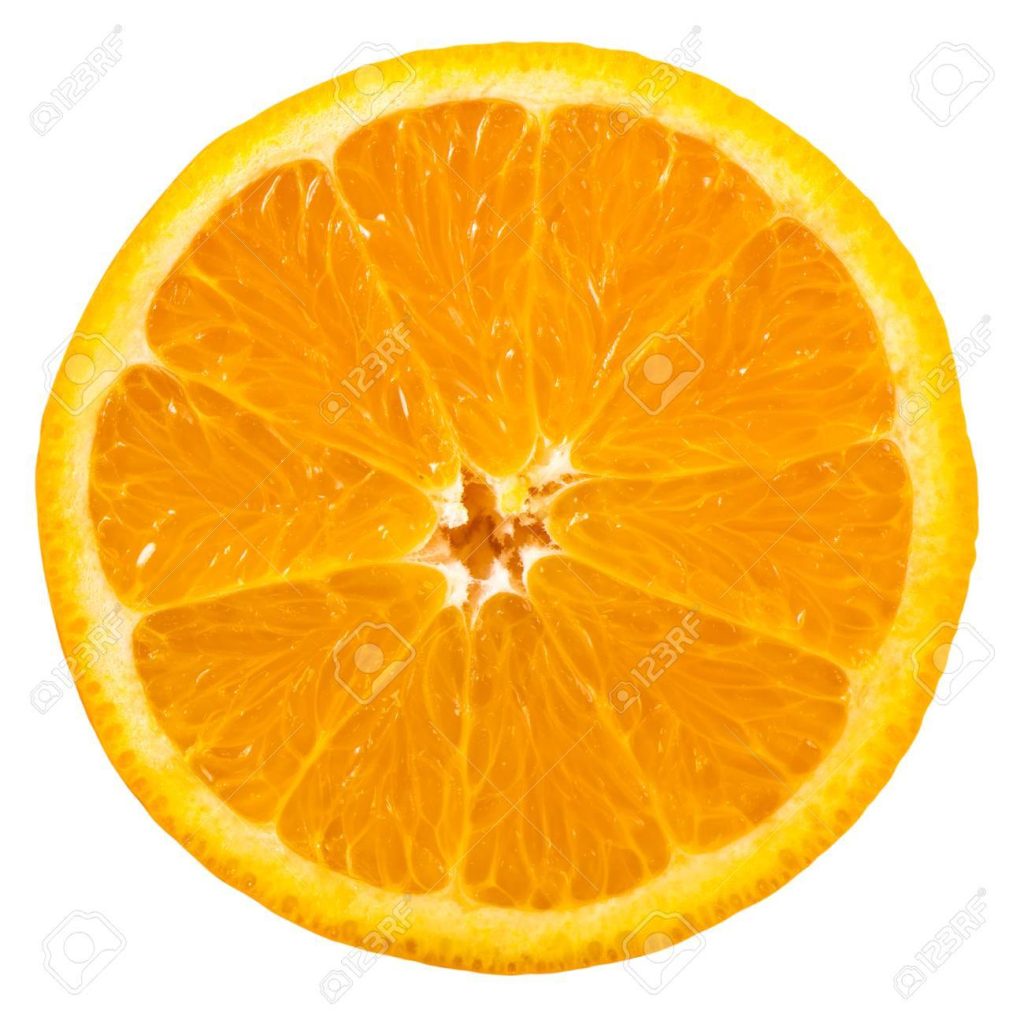
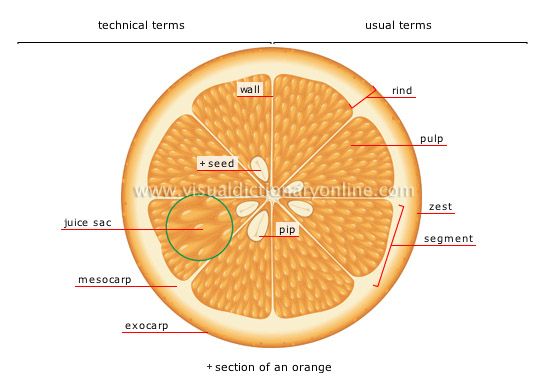
This is an orange fruit that has been cut across the middle (side to side), not from top to bottom. This type of cut is called a transverse section. It shows the inside of the fruit in a round shape and helps you see the juicy parts clearly.
Key Features to Observe:
- Round shape with several segments
- Each segment is filled with juice sacs
- Seeds may be found inside some segments
- Thin outer layer (the peel) and a soft white part under it (the pith)
- The center has a small white core
Importance in Biology Practical:
This orange specimen helps you understand how simple fruits are structured. It also teaches you about how plants store food and spread seeds. You should be able to:
- Identify the pericarp (fruit wall), pulp, and seeds
- Say what type of fruit it is (simple and fleshy)
- Explain how the fruit protects its seeds and attracts animals for seed dispersal
Likely Exam Questions:
- Identify the specimen and label its parts
- Is this a simple, aggregate, or multiple fruit?
- List two ways this fruit helps the plant to reproduce
Specimen G: Raw Egg of a Domestic Fowl (Fresh with Shell Intact)
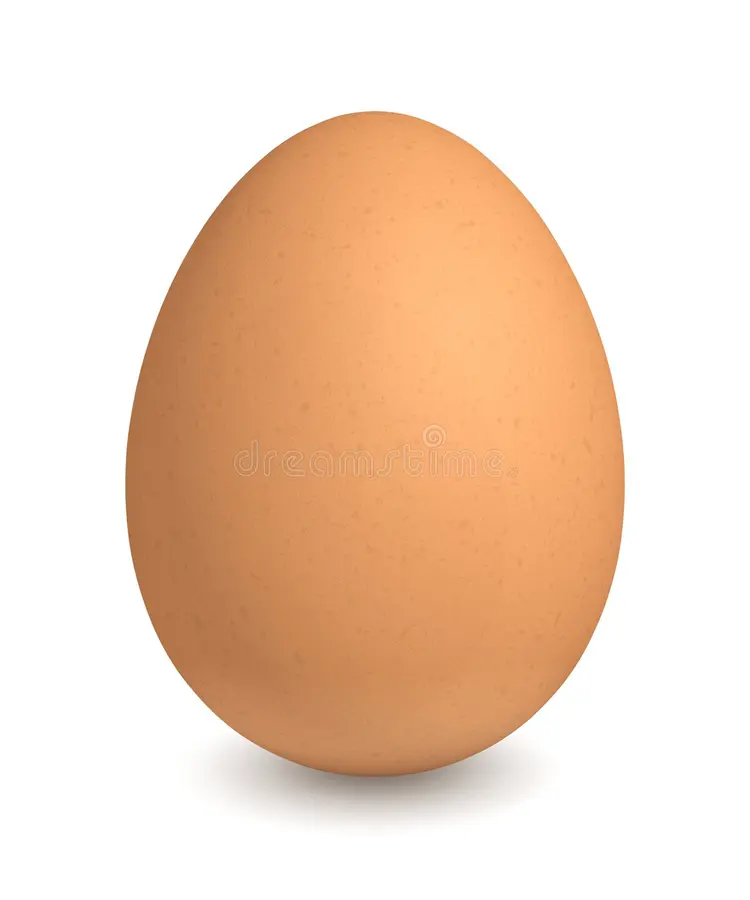
This is a raw egg taken from a domestic bird like a chicken. It still has its outer shell, and the contents inside have not been boiled or cooked. Eggs like this are used in Biology to study animal reproduction and development.
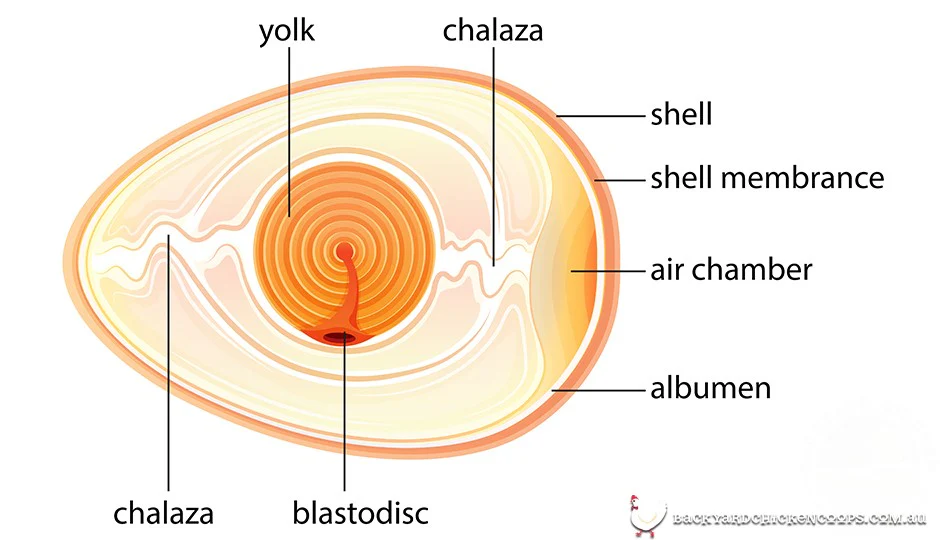
Key Features to Observe:
- Hard outer shell (usually white or light brown)
- When broken:
- Egg white (also called albumen)
- Yellow yolk in the center
- A small white spot on the yolk (called the germinal disc)
- The egg may have air space at one end inside
Importance in Biology Practical:
This egg helps you learn about reproduction in birds, embryo development, and egg structure. You should be able to:
- Talk about how the egg supports life before hatching
- Identify the nutrients in the yolk and egg white
- Say how the shell protects the growing chick (embryo)
Likely Exam Questions:
- Identify the specimen and describe two parts you can see when broken
- What is the function of the yolk and albumen?
- How does the shell help in the survival of the embryo?
Specimen H: Test Tube Containing 3 ml of Water (Placed on a Test Tube Rack)
This specimen is a small glass test tube that has about 3 milliliters of water in it. It is placed on a test tube rack, which is a stand used to hold test tubes upright during experiments.

Key Features to Observe:
- Transparent glass tube (open at the top, closed at the bottom)
- Small amount of clear water inside
- The test tube rack is made of plastic or wood and holds the test tube safely
Importance in Biology Practical:
This simple setup is used in experiments to observe changes in liquids, reactions with substances, or to demonstrate biological processes. In the Biology exam, it may be used for:
- Showing osmosis or diffusion
- Mixing it with another substance (e.g. adding a drop of iodine, sugar, or salt)
- Observing reaction results like color change, bubbles, or settling
Likely Exam Questions:
- Identify the apparatus and state its use
- Describe what you see in the test tube
- Mention one experiment you can carry out with this setup (e.g. food test, water testing)
Specimen J: Longitudinal Section of Boiled Egg (With Shell)
This is a boiled egg that has been cut from top to bottom (lengthwise), showing the inside clearly. This type of cut is called a longitudinal section. The shell is still on it, so you can see the outer layer along with the cooked parts inside.

Key Features to Observe:
- Shell: hard and thin outer covering
- Egg white: firm and solid after boiling
- Yolk: yellow, round part in the middle, now hard
- You may also see the air space near one end of the egg
Importance in Biology Practical:
This specimen helps you understand the structure of an egg and how it supports embryo development before the chick hatches. You should also compare it with the raw egg (Specimen G) to see the changes after boiling.
You are expected to:
- Know the different parts of the egg
- Understand the functions of each part
- Explain how it protects and nourishes the developing chick
Likely Exam Questions:
- Identify and label three parts of the boiled egg
- State one difference between a raw and boiled egg
- Mention one function of the yolk and one of the egg white
Final Summary for WAEC Biology Practical Specimen 2025
The 2025 WAEC Biology Practical exam will include a mix of plants, animals, fruits, and laboratory items. Each specimen is selected to test how well you understand Biology in real life — from identifying living things to describing their structure and function.
Here’s a quick recap of what each specimen represents:
- A & B – Pests and their effect on crops
- C – A real plant showing leaf, stem, and root
- D – A feather to teach bird adaptation
- E & F – Fruits showing different types and sections
- G & J – Eggs showing reproduction and development
- H – A test tube setup to test basic lab observation skills
Important Exam Tips for Biology Practical
- Observe carefully – Look at color, texture, shape, and any markings on the specimen.
- Use correct terms – Always use Biology terms like “germination,” “multiple fruit,” “albumen,” and “rachis.”
- Compare related specimens – For example, compare the raw and boiled egg, or bean weevil with damaged beans.
- Draw neatly if asked – Label your diagrams properly with a ruler and use clear lines.
- Read the questions well – Some may ask for identification, while others may focus on function or use.
- Practice before the exam – Try to see real versions of the specimens if possible, or watch clear videos showing them.
Important Notes for Schools and Candidates
WAEC has also given special instructions on how the specimens should be shared and what each candidate must be given during the Biology Practical exam.
General Instructions About the Specimens:
- Sharing of Specimens: All the specimens can be shared among a group of 5 to 10 students. This means not every student needs a personal set, but they must be able to see and use the items clearly.
- Labeling: Every specimen must have its correct label — A, B, C, D, E, F, G, H, and J. Do not mix up the labels.
- No Pictures or Drawings: Real specimens must be used. Pictures or drawings are not allowed, unless they are included in the official list.
Materials That Must Be Given to Each Candidate:
During the practical exam, each candidate must have the following tools and materials to carry out experiments or observations:
- A hand lens (also called a magnifying lens)
- A beaker for holding liquids
- A plastic syringe (without needle)
- Sodium hydroxide (a chemical used for food tests)
- 1% copper sulphate solution (also for food tests)
- A scalpel (for cutting specimens)
- A test tube
- A test tube rack (to hold the tube safely)
- A Bunsen burner (for heating if needed)
These materials will help candidates carry out tests such as food tests (for protein, glucose, etc.), cut plant or animal parts, and observe small features clearly.